Editorial
The Evolution of the Peshwas
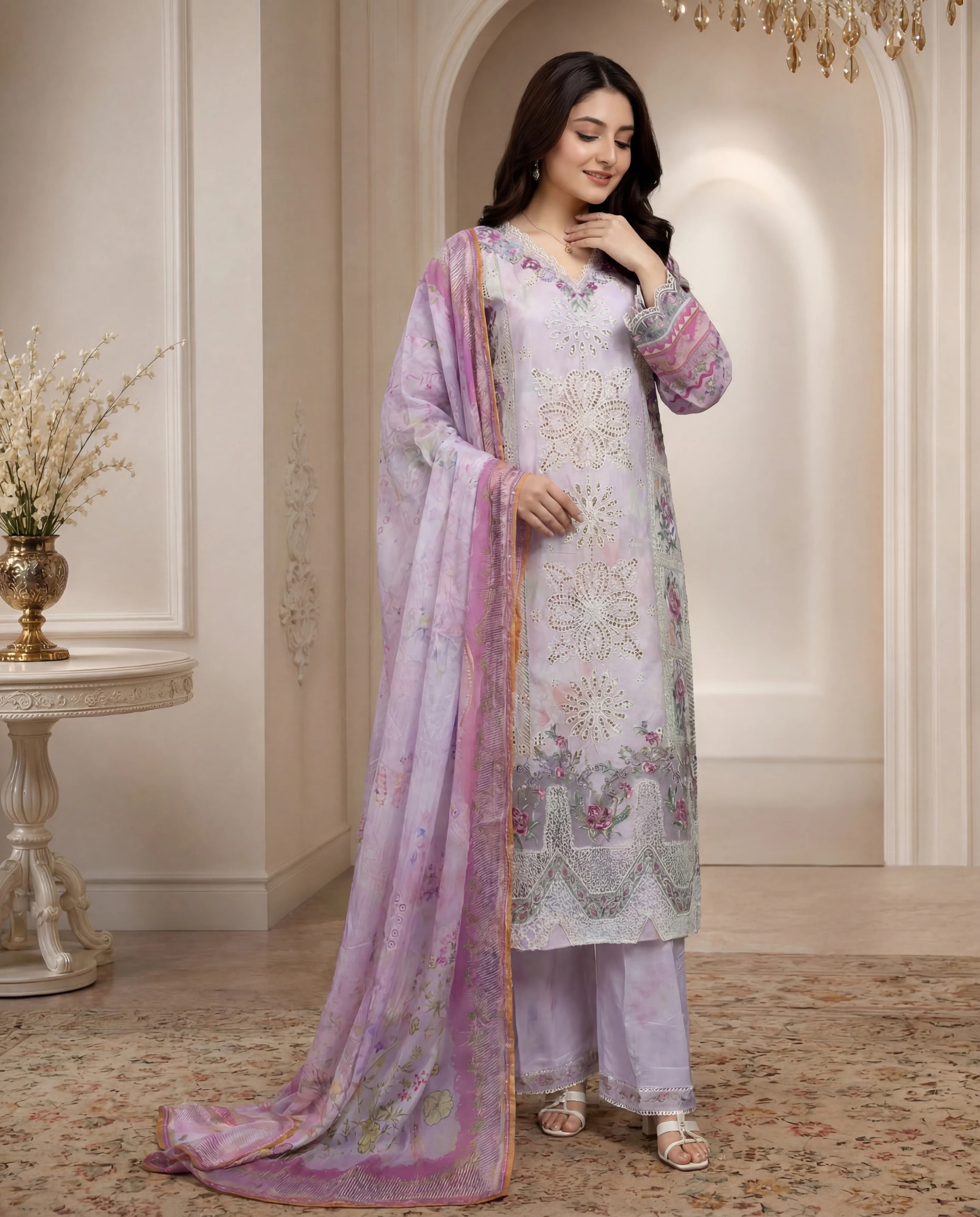
Exploring the historic roots of the flowy South Asian Peshwas silhouette and its modern revival.
A Silhouette Born in Royal Courts
The peshwas — a flowing, ankle-length tunic with a flared skirt and often a trailing length — traces its origins to the royal courts of South Asia, where it was worn over fitted trousers called chooridar. Its graceful drape made it a favourite of aristocrats and, later, of cinema's most glamorous stars.
What makes the peshwas enduring is its architecture: a fitted bodice that flares dramatically from the waist, creating an elegant, statuesque line that flatters every body type.
The Modern Revival
Designers in Pakistan and India have reimagined the peshwas for contemporary wardrobes — shorter hems, structured shoulders, and lighter fabrics make it wearable for daytime events, not just weddings.
In today's festive collections, the peshwas appears in everything from luxurious raw silk for mehndi to airy organza for evening formals, always keeping its signature drama intact.
How to Style a Modern Peshwas
Because the silhouette is already dramatic, keep styling clean. Simple statement earrings, a neat low bun, and minimal jewellery let the cut and fabric do the talking.
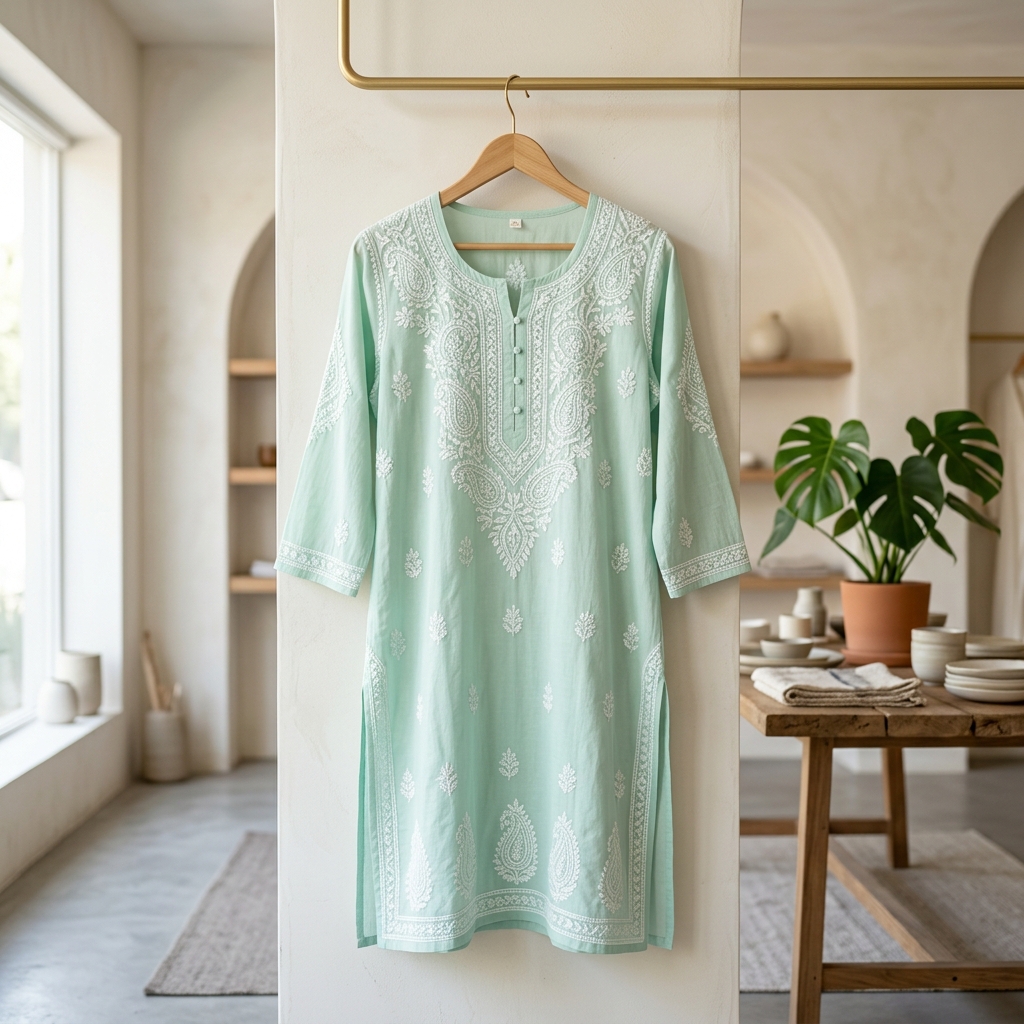
For a red carpet moment, choose a heavy embroidered peshwas in a jewel tone; for an intimate gathering, opt for a pastel or hand-block printed version that moves easily.
Why It Endures
The peshwas survives every trend because it celebrates the wearer — elongating, flattering, and moving beautifully. It is proof that the most timeless fashion is built on a silhouette that makes women feel confident.
At Sawera Collection, the peshwas remains a signature of our festive and bridal edits, refined for the modern woman.